
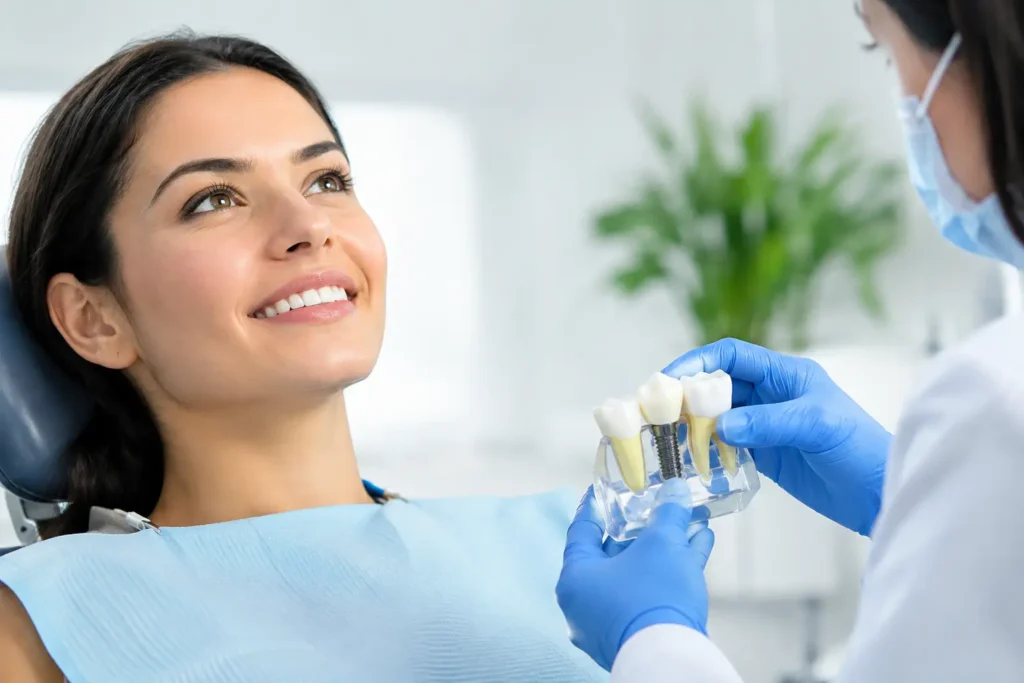
A dental implant can feel stable immediately after surgery, especially when it supports a same-day temporary bridge. But the critical work happens beneath the gums: your jawbone must bond to the implant surface through osseointegration. Knowing how to improve implant healing means protecting that connection while your body rebuilds tissue, manages inflammation, and adapts to your new bite.
For patients receiving All-on-4, All-on-6, or multiple implants, recovery is not about simply waiting it out. The right temporary diet, meticulous cleaning, medication routine, and follow-up plan can protect a major investment in your health and confidence. Your surgeon’s instructions always come first, because healing timelines vary according to bone quality, the number of implants placed, grafting needs, and medical history.
How to Improve Implant Healing in the First Two Weeks
The first 48 to 72 hours are when swelling and discomfort usually peak. Rest with your head elevated, use cold packs on the outside of your face as instructed, and avoid strenuous exercise. Increased blood pressure from heavy lifting, bending, or intense workouts can restart bleeding and worsen swelling.
Take prescribed pain medication and antibiotics exactly as directed. Do not skip doses because you feel better, double up after a missed dose, or use someone else’s medication. If your surgeon has recommended an anti-inflammatory medicine, follow the dosing schedule and disclose any history of ulcers, kidney disease, blood thinners, or medication allergies before taking it.
Small amounts of pink saliva are common right after surgery. Persistent bright-red bleeding, swelling that rapidly worsens after several days, fever, difficulty swallowing, or trouble breathing requires urgent contact with your dental team or local emergency care. A well-organized implant clinic gives traveling patients a direct plan for after-hours questions, not just a procedure date and a flight home.
Protect the Surgical Site From Pressure
Implants need biological stability as bone begins to attach to them. Do not test them with your tongue, fingers, or a toothbrush. Avoid pulling on your lip to inspect the area repeatedly. These habits can irritate sutures and transfer bacteria to healing tissues.
If you received an immediate fixed temporary bridge, remember that it is designed to look natural and provide function during healing, not to handle the force of a steak or crunchy snack. A temporary restoration is intentionally adjusted to reduce pressure on the implants. Treating it gently is one of the most practical ways to avoid complications.
Eat for Healing, Not Just Comfort
Your body needs protein, calories, fluids, vitamins, and minerals to repair surgical tissues. Many patients under-eat after implant surgery because chewing feels unfamiliar or they are afraid of discomfort. That can slow recovery, particularly after full-mouth rehabilitation.
For the first phase, choose smooth and soft foods that require little to no chewing: Greek yogurt, eggs, blended soups that are warm rather than hot, mashed vegetables, cottage cheese, fish, oatmeal, protein shakes, and soft beans. Drink plenty of water. Avoid using a straw during the initial recovery period if your surgeon instructs you to avoid suction, particularly after extractions or bone grafting.
Protein deserves special attention. Aim to include a protein source at each meal, using soft options that fit your diet and medical needs. Patients with diabetes should follow their physician’s meal plan closely because stable blood glucose is essential for wound healing. If you have kidney disease or another condition that limits protein intake, ask your medical provider for individualized guidance.
As soreness improves, advance your diet only on your surgeon’s timeline. Hard, sharp, sticky, or chewy foods can overload an implant-supported temporary bridge or become trapped near healing gums. Nuts, popcorn, crusty bread, tortilla chips, jerky, seeds, and chewing gum are common problems. For full-arch cases, a soft-food period may last longer than patients expect, often several months, because the implants must integrate before the final zirconia bridge is placed.
Keep Your Mouth Clean Without Damaging Healing Tissue
Plaque around an implant can trigger inflammation before healing is complete. At the same time, aggressive brushing can disturb sutures and tender gum tissue. The goal is controlled cleanliness, not scrubbing.
On the day of surgery, follow the specific instructions provided by your surgeon. In many cases, gentle rinsing starts the following day, often with a prescribed antimicrobial rinse or a mild saltwater rinse. Do not swish forcefully. Let the liquid move gently around the mouth and allow it to fall out rather than spitting hard.
Use the soft surgical toothbrush recommended by your team and brush non-surgical teeth normally unless instructed otherwise. When cleaning near implants, use light pressure and avoid direct trauma to incision lines during the earliest healing period. Once your provider clears you, tools such as a water flosser on a low setting, implant-safe floss, or interdental brushes may become part of your long-term routine. The timing matters as much as the tool.
For fixed full-arch teeth, food and plaque can collect beneath the bridge. This area must be cleaned consistently after the surgical phase. Your final hygiene routine should be demonstrated chairside, because bridge shape, gum contours, and implant positions are unique to each patient.
Stop the Habits That Interfere With Osseointegration
Nicotine is one of the clearest risks to implant healing. Cigarettes, cigars, vaping, nicotine pouches, and chewing tobacco reduce blood flow and can impair the body’s ability to form a stable bone-to-implant connection. Quitting before surgery and remaining nicotine-free throughout healing gives implants a stronger foundation. If quitting feels difficult, tell your care team before treatment so support can be built into your plan.
Alcohol can also complicate the early recovery period, especially when combined with pain medication, antibiotics, dehydration, or poor sleep. Avoid it for the period your surgeon recommends. Limit caffeine if it makes it harder to hydrate, rest, or manage anxiety.
Grinding and clenching can place damaging force on new implants, often without the patient realizing it. If you wake with jaw soreness, have a history of broken teeth, or clench under stress, ask about bite monitoring and a protective night guard once it is appropriate. Digital planning and guided surgery create precision at placement, but protecting that precision from excessive force remains a daily responsibility.
Plan Travel Around Your Recovery
Patients traveling to Cabo San Lucas or Tijuana for advanced implant treatment need a recovery plan that includes more than hotel reservations. Schedule enough time for post-operative checks before flying, keep medications and your surgeon’s contact details in your carry-on, and choose lodging where you can rest, access soft foods, and stay hydrated.
Flying is not automatically a problem after implant surgery, but timing depends on the complexity of your procedure. Sinus-related implant work, extensive grafting, multiple extractions, sedation, and preexisting sinus issues may require additional precautions. Your surgical team should clear your departure date based on your actual case.
Before leaving the clinic destination, make sure you understand how to use any temporary bridge, what foods are allowed, when sutures will be checked or dissolve, and how remote follow-up will work. At Expertos Dentista E Implantes, digitally planned treatment and coordinated follow-up are designed to make this process clear for cross-border patients, from initial scan review through the final restoration phase.
Do Not Miss Follow-Up Visits
A painless implant is not automatically a fully healed implant. Bone integration continues for months, and follow-up appointments allow the doctor to evaluate gum healing, bite pressure, temporary restoration condition, and radiographic changes. This is where small issues can be corrected before they become expensive failures.
Your team may adjust the bite on a temporary bridge more than once. That is normal. As swelling decreases and you begin using your teeth differently, contact points can change. Report any new clicking, a feeling that the bridge is loose, pain when biting, a sharp edge, persistent bad taste, or a gum area that continues to bleed.
Patients with a history of periodontal disease need especially consistent maintenance. Implants cannot get cavities, but they can develop inflammatory disease around the implant if bacterial buildup is ignored. Long-term success depends on professional cleanings, home care, and early action when gums look red, swollen, or tender.
Give Your Implants the Conditions to Succeed
Healing is not measured by how quickly you can return to your normal diet. It is measured by a stable implant, healthy tissue, comfortable function, and a final bite designed to last. Follow the soft-food timeline even when you feel ready to push it, keep every scheduled check, and contact your surgical team early when something does not feel right. That discipline during recovery is what helps turn a new implant into a dependable, confident smile for years to come.